

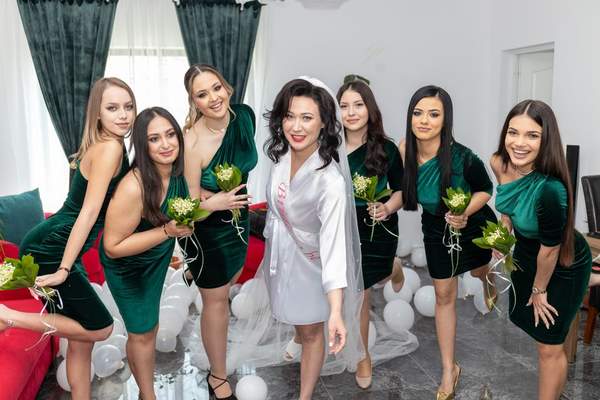
When the ceremony starts at dusk and the reception glows with candlelight, velvet bridesmaid dresses can look especially beautiful. Their soft, raised surface gives colour a shifting depth: burgundy appears wine-dark in the shadows, while emerald catches a gentle highlight as someone moves. That texture is the real appeal. It makes a wedding party feel dressed for the season without relying on sequins or elaborate embellishment.
Velvet is often a smart choice for autumn and winter celebrations, but the details matter. The right shade, silhouette and accessories should suit the venue as well as the people wearing the dresses. Here is how to build a coordinated look that feels rich rather than heavy.
What Makes Velvet Different in Cooler Weather?
Unlike smooth satin or airy chiffon, velvet has a short pile that changes appearance with the direction of the light. This gives photographs dimension, particularly indoors or during late-afternoon portraits. Many velvet dresses also feel more substantial than lightweight bridesmaid fabrics, although warmth depends on the fibre content, lining and cut. A sleeveless velvet gown is not a substitute for a coat outside in winter.
Look at the fabric description before ordering. Stretch velvet can offer comfortable movement, while a less flexible construction may create a more structured line. Velvet may be made from synthetic fibres, silk, viscose or blends, so two dresses described simply as ‘velvet’ can feel quite different. Request swatches and compare them beside the wedding’s flowers and suiting.
Choose Colours That Work With the Light
Jewel tones for evening celebrations
Emerald, sapphire, plum and deep burgundy are natural choices for jewel tone bridesmaid dresses. Each works with velvet’s soft sheen, but they create different moods. Emerald looks striking against black suits and ivory flowers. Sapphire offers a cooler, classic palette, while burgundy adds warmth to a candlelit space. For a black-tie reception, a single saturated shade across the wedding party can be especially polished.
Earthy and softened shades for autumn
Rust, olive, muted rose and chocolate brown can feel more relaxed, particularly at vineyard or countryside venues. These tones let the texture do the work without demanding an extremely formal setting. If the bride prefers a mixed palette, combine neighbouring colours of similar depth rather than alternating one very pale dress with several dark ones. Consider fall wedding colour palettes when coordinating flowers and suits.
Check every shade in daylight and warm indoor lighting. Velvet’s pile can make a colour appear lighter or darker depending on its direction, so a phone screenshot is a poor substitute for a physical sample.
Find a Silhouette That Feels Good All Day
Fabric is only half the story. An A-line dress skims the waist and hips, making it a versatile option for a group with different preferences. A wrap-inspired shape can create a defined waist, while a straight column gown gives velvet a sleek, modern finish. Fit-and-flare shapes feel glamorous but should be tested for comfortable walking and sitting.
For winter bridesmaid gowns, long sleeves or higher necklines can provide more coverage, but they are not required. Off-shoulder, square-neck and sleeveless dresses also look seasonal in velvet, especially when paired with a considered outer layer. Let bridesmaids choose among approved necklines when possible; consistency in fabric and colour often provides enough unity. A bridesmaid dress silhouette guide can help compare shapes.
Pay attention to lining, undergarments and length. Velvet can show pressure marks where it is pressed or folded, and a long hem may collect moisture during outdoor photographs. A bridesmaid shoe guide can help with heel choices before final fittings.
Match the Dresses to the Venue’s Formality
For a hotel ballroom or historic estate, floor-length velvet wedding party dresses in navy, black or rich green suit a formal dress code. Minimal jewellery and tidy tailoring keep the look refined. At a rustic barn or intimate restaurant wedding, softer shades and uncomplicated midis may feel more natural, provided they fit the couple’s dress expectations.
Consider indoor temperature as carefully as outdoor weather. A heated reception room can become warm once guests start dancing. Choose comfortable linings and allow for easy movement rather than selecting the thickest-looking fabric simply because the wedding is in December.
Keep Shoes, Jewellery and Bouquets Balanced
Velvet already contributes visual texture, so accessories rarely need to compete. Metallic heels in champagne, bronze or muted gold complement warm palettes; silver or pewter works nicely with cool blues and purples. Black shoes create a streamlined finish with darker dresses. For outdoor ceremonies, a block heel may be more practical than a narrow stiletto on gravel or grass.
Simple earrings, a delicate bracelet or one statement piece usually feels more deliberate than multiple oversized accessories. Bridesmaids carrying bouquets can let the flowers supply extra detail. Cream roses, burgundy dahlias and deep greenery suit an autumn palette, while white blooms with evergreen foliage offer a crisp winter contrast. Keep bouquet size proportionate to the gown; large cascading arrangements can hide its beautiful drape.
A Practical Styling Plan for a November Wedding
Imagine a late-November ceremony in a stone country house, with portraits outside at 4 p.m. and dinner indoors. A coordinated set of forest-green A-line velvet dresses would complement dark navy suits and cream bouquets. Bridesmaids could choose different approved necklines while wearing similarly toned shoes. Neutral wraps or tailored coats would keep them comfortable between photographs without becoming part of the indoor look.
Before buying, have each person try sitting, walking up stairs and raising their arms. Compare swatches in the venue’s likely lighting, leave time for alterations and ask the retailer whether dresses ordered separately may vary in shade. Keep garments hanging with room around the pile, follow individual care labels and consult a professional cleaner when uncertain about pressing or stain treatment.
Frequently Asked Questions
Are velvet bridesmaid dresses too warm for a fall wedding?
Not necessarily. Lighter stretch velvet or sleeveless cuts can suit a cool autumn day, particularly for evening events. Consider the forecast and heated indoor spaces. For a mild afternoon wedding, breathable alternatives such as chiffon or satin may be more comfortable.
Can bridesmaids wear different velvet dress styles?
Yes. A shared fabric and colour can unify different necklines and silhouettes. Compare swatches from the same supplier where possible, since pile, sheen and dye shade may vary between collections.
Does velvet work for a formal wedding?
Absolutely. Floor-length velvet in a deep shade can be elegant for formal winter celebrations. Dress code, tailoring and accessories matter as much as fabric, so check the couple’s guidance before choosing a shorter style.
How should velvet dresses be cared for before the event?
Follow the garment’s label rather than assuming all velvet can be steamed or ironed. Avoid pressing directly onto the pile, which may flatten it. Hang dresses carefully and ask a specialist cleaner about stubborn wrinkles or marks.
Make Texture the Finishing Touch
The most successful velvet bridesmaid dresses do not have to be identical or extravagantly styled. Choose a palette that suits the light, shapes people can move in and accessories that leave room for the fabric’s character. Done thoughtfully, velvet brings depth and a quietly celebratory mood to cooler-weather weddings.
