

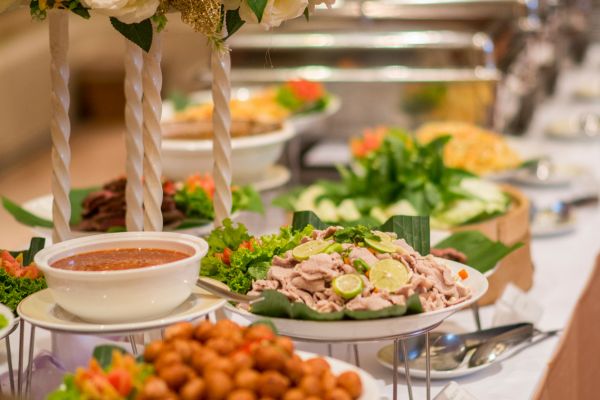
Weddings are full of moments guests remember in little flashes: the music starting at just the right time, the first look at the reception space, the laughter at a table, the smell of something delicious drifting through the room. Food has always been part of that memory. But in recent years, couples have started moving beyond the traditional plated meal or standard buffet and choosing dining experiences that feel more lively, personal, and social.
That is where interactive food stations at weddings come in. They do more than feed guests. They invite people to move around, talk, customize their plates, and enjoy the meal as part of the celebration itself. A well-planned food station can bring energy to a cocktail hour, create a natural conversation starter, and make the reception feel less formal without losing style.
Interactive stations work because they turn food into an experience. Guests are not just waiting for courses to arrive. They are choosing toppings, watching chefs prepare dishes, building their own plates, or discovering small bites in a fun, relaxed way. It feels generous, thoughtful, and a little unexpected.
Why Interactive Food Stations Feel So Memorable
A wedding meal can sometimes feel predictable, even when the food is excellent. Guests sit, plates arrive, plates are cleared, and the evening moves forward. Interactive stations change that rhythm. They create movement and curiosity. Someone may wander toward a pasta station, notice a friend choosing tacos, or gather around a dessert bar where everyone is quietly debating toppings.
This kind of setup naturally encourages conversation. Food becomes something guests talk about, not just something they eat. A build-your-own slider bar, a sushi rolling station, or a live crepe counter gives people an easy reason to interact. It is especially helpful when guests come from different sides of the family or different friend groups and may not know each other well.
There is also something personal about giving guests choices. At a wedding, not everyone has the same appetite, taste, or dietary preference. Interactive stations allow people to create plates that suit them. A guest who wants something light can choose fresh vegetables and seafood. Someone who wants comfort food can go for mac and cheese, mini burgers, or warm flatbread. The experience feels more flexible and less one-size-fits-all.
The Build-Your-Own Taco Station
A taco station is one of the most crowd-friendly ideas because it offers variety without feeling complicated. Guests can choose soft tortillas, crisp shells, grilled vegetables, chicken, beef, fish, beans, rice, salsa, guacamole, pickled onions, herbs, and sauces. It feels colorful, casual, and full of flavor.
What makes this station work especially well is the freedom to customize. Some guests may keep things simple with chicken and mild salsa, while others may create a bolder plate with spicy sauce, lime, jalapeños, and fresh cilantro. The station can also be made elegant with thoughtful presentation, handmade tortillas, small ceramic bowls, and neatly arranged toppings.
A taco station suits outdoor weddings, summer receptions, garden parties, and relaxed evening celebrations. It is fun without feeling childish, and it gives guests something satisfying to enjoy between dancing and conversation.
Pasta Made Fresh in Front of Guests
A live pasta station brings a warm, comforting feeling to a wedding reception. There is something inviting about watching pasta tossed in sauce, finished with herbs, and served fresh. It feels a little theatrical, but still familiar enough for almost everyone to enjoy.
The beauty of a pasta station is its range. Guests can choose from sauces like tomato basil, Alfredo, pesto, brown butter, or creamy mushroom. Add-ins may include roasted vegetables, grilled chicken, shrimp, spinach, mushrooms, parmesan, chili flakes, or fresh herbs. The result is a dish that feels made for each person.
This type of station works beautifully for evening weddings, especially in cooler seasons. It can also be adapted for a more refined setting by offering smaller portions in elegant bowls. Instead of replacing the whole meal, it can become a late-night comfort station when guests need something warm after hours of dancing.
Gourmet Slider and Mini Sandwich Stations
Mini sandwiches and sliders bring a playful mood to wedding dining. They are easy to hold, easy to eat, and satisfying without being too heavy. A slider station can include classic beef burgers, crispy chicken, pulled pork, mushroom patties, or grilled vegetable options. Guests can add cheese, sauces, pickles, caramelized onions, greens, and other toppings.
The appeal is simple. Everyone understands a slider, but the station can still feel elevated with quality ingredients and creative combinations. A small brioche bun, smoky sauce, sharp cheese, or fresh slaw can turn a familiar bite into something memorable.
This station is especially useful later in the evening. After dancing, guests often want food that feels comforting and unfussy. A slider station gives them that without interrupting the flow of the party.
Fresh Salad and Grain Bowl Bars
Not every interactive food station needs to be rich or indulgent. A salad or grain bowl bar can feel fresh, modern, and thoughtful. It is especially appreciated at daytime weddings, summer receptions, or celebrations where guests may prefer lighter options.
A good bowl station might include leafy greens, quinoa, rice, roasted vegetables, chickpeas, grilled chicken, tofu, nuts, seeds, feta, avocado, fresh herbs, and several dressings. Guests can build something colorful and satisfying without feeling weighed down.
This kind of station is also helpful for different dietary needs. Vegetarian, gluten-free, and lighter meal preferences can be accommodated naturally. When presented beautifully, with fresh ingredients arranged in generous bowls and platters, it can feel just as special as a more indulgent station.
Sushi, Poke, and Seafood-Inspired Stations
For weddings with a polished or coastal feeling, sushi and seafood stations can be especially striking. A sushi station may include rolls, nigiri, sashimi-style bites, soy sauce, wasabi, pickled ginger, and small garnishes. A poke station can allow guests to build bowls with rice, greens, tuna, salmon, tofu, cucumber, edamame, seaweed, sesame, and flavorful sauces.
These stations feel fresh and visually appealing. They are also perfect for guests who enjoy lighter, more refined food. The colors, textures, and presentation can add a beautiful visual element to the reception.
Seafood stations need careful planning, especially around freshness and temperature. When done well, though, they can become one of the most talked-about parts of the wedding meal. They suit beach weddings, modern receptions, and elegant evening celebrations where the menu leans fresh rather than heavy.
Pizza and Flatbread Stations with Creative Toppings
Pizza has a way of making people happy almost immediately. A pizza or flatbread station can feel relaxed, warm, and social. It works well at rustic weddings, outdoor receptions, and late-night after-party settings.
Guests might choose from toppings such as mozzarella, tomato, basil, mushrooms, roasted peppers, caramelized onions, olives, arugula, prosciutto, chicken, or chili oil. Flatbreads can be sliced into smaller pieces so guests can sample more than one combination.
The key is balance. A pizza station can feel casual, but with fresh herbs, good cheese, and elegant presentation, it can still fit beautifully into a wedding. It is also a smart option for guests who want something familiar after a more formal dinner.
Charcuterie and Grazing Stations
Charcuterie and grazing stations are popular because they feel abundant and relaxed at the same time. They invite guests to linger, nibble, and return for another bite. A well-arranged grazing table can include cheeses, cured meats, crackers, bread, fruit, nuts, olives, honey, dips, vegetables, and small savory bites.
This type of station works especially well during cocktail hour. Guests can enjoy food while moving around, taking photos, and greeting one another. It creates a sense of warmth before the main meal begins.
A grazing station can also reflect the season. Spring might include soft cheeses, berries, and fresh herbs. Summer can bring stone fruit, tomatoes, and lighter dips. Autumn may feature figs, apples, nuts, and deeper cheeses. Winter can lean into rich spreads, dark fruit, roasted nuts, and warm bread.
Breakfast-for-Dinner and Brunch Stations
For couples who want something charming and a little unexpected, breakfast-inspired stations can be a delight. Waffle bars, pancake stations, omelet counters, biscuit bars, and bagel spreads all bring a sense of comfort and fun.
A waffle station, for example, can include fresh berries, whipped cream, chocolate sauce, honey, maple syrup, nuts, and fruit compotes. An omelet station allows guests to choose vegetables, cheese, herbs, and proteins. A bagel station can feel especially fitting for a brunch wedding, with cream cheese, smoked salmon, cucumbers, tomatoes, capers, and fresh dill.
These stations work best when they match the time and mood of the wedding. A morning or early afternoon celebration can fully embrace brunch. A late-night waffle bar, on the other hand, can feel playful and comforting after hours of dancing.
Dessert Stations Beyond the Wedding Cake
Even when there is a traditional wedding cake, dessert stations can add variety and excitement. Guests love having options, especially when sweets are presented in a way that feels interactive.
A build-your-own sundae bar is always fun, with ice cream, sauces, sprinkles, nuts, fruit, cookies, and whipped cream. A donut wall or churro station brings a casual, festive touch. A crepe station feels romantic and slightly European, especially when guests can choose fillings like Nutella, berries, lemon sugar, caramel, or cream.
Dessert stations can also be deeply personal. Some couples include sweets from their childhood, family recipes, or desserts connected to their cultural background. These details can make the celebration feel intimate, even in a large reception.
Coffee, Hot Chocolate, and Drink Pairing Stations
Interactive food stations do not always have to focus on full dishes. Drink-focused stations can be just as engaging, especially when paired with small bites. A coffee bar with flavored syrups, whipped cream, cinnamon, chocolate shavings, and biscotti can be lovely near the end of the evening. A hot chocolate station feels perfect for winter weddings, especially with marshmallows, peppermint, caramel, and cookies.
For warmer weddings, fresh lemonade, iced tea, fruit-infused water, or mocktail stations can add color and refreshment. Guests can choose fruit, herbs, citrus, or flavored syrups to create their own drinks.
These stations are especially useful during transitions. They can keep guests comfortable while waiting for the ceremony, moving into cocktail hour, or winding down after the main reception.
Planning Stations So They Feel Smooth, Not Crowded
The best interactive food stations at weddings are not only creative; they are also practical. Placement matters. If all stations are squeezed into one corner, guests may crowd together and lines can form quickly. Spreading stations around the reception space encourages movement and keeps the atmosphere relaxed.
Portion size matters too. Interactive stations work best when servings are easy to manage. Small plates, mini bowls, bite-sized portions, and clear serving areas help guests enjoy the food without struggling to carry too much at once.
Signage can also make the experience smoother. Simple labels help guests understand what is being offered and notice ingredients that may matter to them. It does not need to feel overly formal. Clear, tasteful signs can prevent confusion and make the stations more inviting.
Timing is another important detail. Some stations are perfect for cocktail hour, while others work better as part of dinner or late-night snacks. A grazing table at the beginning, pasta during dinner, and mini desserts later in the evening can create a natural flow.
Matching Food Stations to the Wedding Atmosphere
Every wedding has its own personality, and the food should feel connected to it. A black-tie reception might suit a sushi station, elegant pasta counter, oyster bar, or refined dessert display. A garden wedding may feel right with fresh salad bowls, grazing boards, fruit-forward desserts, and herbal drinks. A rustic barn wedding might welcome sliders, flatbreads, barbecue-inspired bites, and warm pies.
The goal is not to include every fun idea. Too many stations can make the reception feel scattered. A few thoughtful choices usually work better than a long list of options. When the stations reflect the season, venue, and couple’s taste, they feel natural rather than random.
It also helps to think about the guests. A younger crowd may love late-night sliders, pizza, and dessert bars. A family-heavy wedding might benefit from familiar, easy-to-eat stations. A multicultural celebration can include stations inspired by different traditions, allowing food to become a meaningful part of the storytelling.
Conclusion
Interactive food stations at weddings bring a sense of movement, choice, and warmth to the celebration. They turn the meal into something guests can explore, personalize, and talk about. Whether it is a taco bar full of bright toppings, a live pasta counter, a cozy hot chocolate station, or a dessert table that invites everyone back for one more bite, these details help the reception feel more alive.
The most successful stations are not just trendy. They fit the setting, the season, and the rhythm of the day. They make guests feel considered without making the meal feel complicated. In the end, that is what memorable wedding food often does best. It brings people together, gives them something to enjoy in the moment, and leaves behind the kind of easy, happy memory that lasts long after the plates are cleared.
