

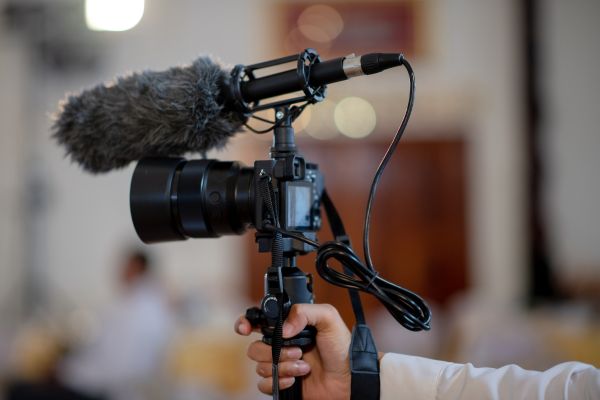
Weddings have always been about capturing moments, but how those moments are preserved has evolved dramatically. Today’s couples are no longer satisfied with a simple documentation of events. They want emotion, storytelling, and something that feels uniquely theirs. That’s where the latest wedding videography trends come into play, reshaping the way love stories are filmed and remembered.
Modern wedding films have moved beyond traditional formats, embracing creativity, cinematic techniques, and personal expression. The result is something far more immersive than a standard video—a living memory that feels just as vivid years later.
Cinematic Storytelling That Feels Like a Film
One of the most defining wedding videography trends is the shift toward cinematic storytelling. Couples are drawn to videos that feel like short films rather than chronological recordings. The focus is no longer just on what happened, but on how it felt.
Videographers now approach weddings with a narrative mindset. They capture quiet glances, laughter between friends, and fleeting emotional moments that might otherwise go unnoticed. These clips are then carefully woven together with pacing, music, and editing techniques that mirror the structure of a movie.
The result is something deeply personal. It doesn’t just show a wedding day—it tells a story, often with a beginning, emotional peak, and reflective ending.
Documentary-Style Coverage With a Natural Touch
While cinematic edits are popular, there’s also a growing appreciation for documentary-style videography. This approach leans into authenticity, allowing events to unfold naturally without heavy direction.
Couples who prefer this style often want to feel like themselves on their wedding day, not actors in a staged production. Videographers step back, observing rather than orchestrating, capturing genuine interactions and unfiltered emotions.
What makes this trend compelling is its honesty. The laughter is real, the tears are unscripted, and the conversations feel intimate. It’s a subtle but powerful shift toward preserving reality rather than polishing it.
Short-Form Highlight Films for Modern Attention Spans
Another noticeable shift in wedding videography trends is the rise of short-form highlight films. While full-length wedding videos still exist, many couples now prioritize a concise, beautifully edited version of their day.
These highlight reels are typically a few minutes long but packed with emotion. They’re designed to be easily shared with friends and family, especially on social media platforms where shorter content performs better.
There’s something appealing about distilling an entire day into a handful of meaningful moments. It forces the editor to focus on what truly matters—the emotions, the connections, and the atmosphere.
Vertical Videos Designed for Social Sharing
As social media continues to influence how we consume content, wedding videography has adapted accordingly. Vertical videos, once limited to casual smartphone clips, are now professionally produced as part of wedding packages.
These videos are optimized for platforms where vertical viewing is the norm. They’re often quick, stylish, and visually engaging, capturing the essence of the wedding in a format that feels modern and accessible.
It’s a subtle but important evolution. Couples today are not just thinking about memories—they’re thinking about how those memories are shared and experienced by others.
Drone Footage That Adds Scale and Beauty
Drone videography has become a staple in modern wedding films, and it’s easy to see why. Aerial shots bring a sense of scale and grandeur that ground-level footage simply can’t match.
Sweeping views of the venue, the surrounding landscape, and even the ceremony itself create a cinematic feel that elevates the entire video. It adds context, showing not just the people but the environment that shaped the day.
When used thoughtfully, drone footage enhances storytelling rather than distracting from it. It’s less about spectacle and more about perspective—offering a broader view of a deeply personal event.
Personalized Audio and Voiceovers
Sound plays a crucial role in how a wedding film is experienced, and one of the most meaningful wedding videography trends involves incorporating personalized audio.
Voiceovers from vows, speeches, or even private letters are layered into the video, creating a narrative that feels intimate and emotional. Hearing a couple’s own words adds depth in a way that visuals alone cannot achieve.
These audio elements often become the emotional anchor of the film. A quiet voiceover paired with a simple visual can be far more powerful than a dramatic montage.
Same-Day Edits That Capture the Moment Instantly
There’s something undeniably special about reliving your wedding day while it’s still unfolding. Same-day edits have become increasingly popular for this reason.
Videographers work behind the scenes during the event, quickly editing footage into a short film that can be shown at the reception. It’s a unique experience—watching moments from earlier in the day while surrounded by the same people who were part of them.
This trend speaks to a desire for immediacy. Couples no longer want to wait weeks or months to see their wedding film. They want a glimpse of it right away, even if it’s just a preview.
Multi-Camera Setups for a Richer Perspective
Modern wedding videography often involves multiple cameras capturing different angles simultaneously. This approach creates a more dynamic and immersive viewing experience.
Instead of a single viewpoint, the video can shift between perspectives, showing reactions, details, and moments that might otherwise be missed. It allows for more creative editing and a deeper sense of presence.
The effect is subtle but significant. It feels less like watching a recording and more like stepping back into the moment.
Retro and Vintage Aesthetics Making a Comeback
Interestingly, not all trends are about new technology. There’s a growing fascination with retro and vintage styles, with some couples opting for footage that mimics older film formats.
Super 8-inspired visuals, grainy textures, and softer color palettes create a nostalgic feel that contrasts beautifully with modern editing techniques. It’s a reminder that weddings are not just about the present—they’re part of a larger story that stretches across time.
This trend adds character and uniqueness, offering an alternative to the polished, high-definition look that has dominated for years.
Focus on Intimate Moments Over Grand Gestures
Perhaps the most meaningful shift in wedding videography trends is the emphasis on intimacy. Instead of focusing solely on grand moments like the ceremony or first dance, videographers are paying closer attention to smaller, quieter interactions.
A hand squeeze before walking down the aisle. A whispered conversation between family members. A fleeting smile that might otherwise go unnoticed.
These moments often carry the most emotional weight. By highlighting them, wedding films feel more personal and authentic, reflecting the true essence of the day rather than just its milestones.
Seamless Blending of Photography and Videography Styles
The line between photography and videography continues to blur. Many modern wedding films incorporate elements traditionally associated with still photography, such as careful framing, natural lighting, and artistic composition.
This blending creates a cohesive visual style across both mediums. The video feels like an extension of the photographs, maintaining consistency in tone and aesthetic.
It’s a subtle evolution, but one that enhances the overall storytelling experience, making the final collection of memories feel unified and thoughtfully curated.
A More Collaborative Approach Between Couples and Creators
Another notable change is how involved couples have become in shaping their wedding films. Rather than simply hiring a videographer and stepping back, many couples now collaborate closely, sharing their preferences, inspirations, and expectations.
This partnership leads to more personalized results. The videographer isn’t just capturing a wedding—they’re interpreting a couple’s vision and translating it into a visual story.
It’s a shift that reflects broader changes in creative industries, where collaboration and customization are increasingly valued.
Conclusion: A New Era of Wedding Storytelling
Wedding videography has entered a new era, one defined by creativity, authenticity, and emotional depth. The latest wedding videography trends show a clear move away from rigid formats and toward more personalized, story-driven approaches.
What stands out most is the balance between innovation and meaning. Whether it’s cinematic storytelling, documentary-style coverage, or the use of modern formats like vertical video, each trend serves the same purpose—to capture a wedding day in a way that feels real and lasting.
At its heart, wedding videography is still about memory. But today, those memories are richer, more expressive, and more reflective of the people they belong to. And that, perhaps, is the most important trend of all.
