

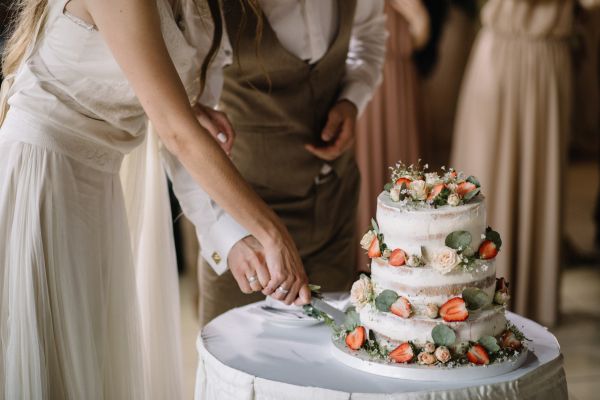
Wedding cakes occupy a strange and fascinating space in modern celebrations. They are part dessert, part design piece, and part tradition. Guests gather around them with cameras ready, couples spend weeks choosing flavors and sketches, and bakers often work quietly behind the scenes under enormous pressure to create something beautiful that also tastes genuinely memorable.
An interview with top wedding cake bakers reveals something interesting almost immediately: the best cakes are rarely about trends alone. Yes, design styles evolve every year, and social media constantly pushes new ideas into the spotlight. But experienced bakers consistently return to the same core principles—balance, texture, timing, and emotion.
For many bakers, wedding cakes are not simply products leaving a kitchen. They become part of a deeply personal day that people will remember for decades. That responsibility shapes the way skilled cake artists think about flavor combinations, structure, decoration, and even the atmosphere surrounding the cake-cutting moment itself.
Conversations with experienced wedding bakers also reveal how much the industry has changed. Couples today expect cakes that feel individual rather than formal or predictable. At the same time, many classic techniques are quietly making a comeback beneath the newer aesthetics.
The result is a wedding cake culture that feels both more creative and more personal than ever before.
Flavor Has Become More Important Than Appearance Alone
For years, wedding cakes were often treated as decorative centerpieces first and desserts second. Bakers now say that attitude has shifted dramatically.
One pastry chef described how couples increasingly ask detailed questions about texture, filling balance, and seasonal ingredients before discussing decoration at all. Another baker laughed while recalling the era when “beautiful but dry” wedding cakes were oddly accepted as normal.
That expectation no longer survives easily.
Couples want cakes guests will actually enjoy eating. Rich chocolate sponge layered with espresso cream, lemon cake paired with berry filling, pistachio with honey buttercream, and lighter fruit-forward flavors have become increasingly common.
Interestingly, several bakers noted that nostalgia influences flavor choices more than social media trends. Couples frequently request flavors tied to childhood memories, favorite vacations, family recipes, or desserts they shared early in their relationship.
One baker mentioned a couple who requested a cake inspired by the peach cobbler served at the groom’s grandmother’s house every summer. Another recreated flavors from a small café where a couple had their first date years earlier.
These details matter because they transform the cake into something more emotional than decorative.
Simplicity Often Requires the Most Skill
Scrolling through wedding photos online can create the impression that elaborate decoration defines luxury cakes. Yet many experienced bakers quietly argue the opposite.
Several bakers interviewed described minimalist cakes as some of the hardest designs to execute well. Smooth buttercream, clean edges, restrained floral placement, and balanced proportions leave very little room for mistakes.
One baker explained that highly decorative cakes can sometimes hide imperfections beneath texture and embellishment. A minimalist cake, however, exposes every detail immediately.
That may explain why simple cakes often feel unexpectedly elegant in person. Their beauty depends on precision rather than excess.
Textured buttercream finishes, soft neutral tones, and understated floral arrangements continue appearing in modern weddings because they photograph naturally and feel timeless rather than overly trend-driven.
Many bakers admitted they secretly appreciate couples who request cleaner designs. Not because the cakes are easier, but because they allow craftsmanship to speak more quietly.
Fresh Flowers Continue to Shape Wedding Cake Design
Fresh florals remain one of the strongest influences in modern wedding cake styling, though bakers approach them more carefully now than they once did.
In the past, flowers sometimes appeared almost randomly placed onto cakes simply to match bouquets or table décor. Today, floral placement tends to feel more intentional and sculptural.
Several cake designers described working closely with florists before finalizing cake sketches. Texture, color movement, stem placement, and seasonal availability all affect the final result.
One baker pointed out that flowers should feel connected to the cake itself rather than added afterward as decoration. When done properly, florals appear woven naturally into the design instead of sitting awkwardly on top of it.
Pressed edible flowers have also become increasingly popular, especially for garden weddings and outdoor receptions. Their softer appearance feels romantic without becoming overly formal.
Interestingly, many bakers mentioned that couples are moving away from extremely bright color palettes in favor of muted, organic floral tones that age better visually in photographs.
Structural Challenges Remain Part of the Craft
Wedding cakes may look effortless at receptions, but behind the scenes they often involve surprisingly technical engineering.
Large multi-tier cakes require internal support systems capable of surviving transportation, setup, temperature shifts, and hours on display. Summer weddings, outdoor venues, and uneven flooring all introduce additional complications.
One baker recalled delivering a six-tier cake to a countryside venue during a heatwave while another described carrying a finished cake up a narrow spiral staircase moments before guests arrived.
These stories reveal a side of cake artistry many couples never see.
Humidity creates another challenge. Buttercream behaves differently in warm conditions, fondant reacts unpredictably to moisture, and fresh fruit decorations can shift or wilt under strong lighting.
Experienced bakers often describe wedding weekends as part culinary work, part crisis management, and part endurance test.
Yet despite those pressures, many bakers still speak emotionally about the moment guests first see the cake. There is a quiet satisfaction in watching something fragile survive the chaos of preparation and arrive intact at the center of a celebration.
Couples Are Choosing More Personal Cake Designs
One of the strongest themes that emerged during this interview with top wedding cake bakers was the shift toward personalization.
Traditional white tiered cakes still exist, of course, but more couples now want designs connected to their personalities or shared experiences. Some request hand-painted details inspired by travel destinations. Others incorporate subtle references to books, architecture, fashion, or family traditions.
Importantly, personalization has become more subtle than it once was. Rather than novelty cakes or literal themes, many modern couples prefer details that feel quietly meaningful.
A baker described creating sugar flowers modeled after blooms growing in the bride’s childhood garden. Another incorporated textured icing inspired by coastal cliffs where the couple became engaged.
These details often go unnoticed by guests at first glance, but they create emotional depth for the couple themselves.
Wedding cakes have become less about performing luxury and more about telling a story through flavor, texture, and design.
Texture Is Replacing Excessive Ornamentation
Cake trends move surprisingly fast, but texture has remained consistently popular over recent years.
Ruffled buttercream, stone-like finishes, wafer paper details, rough icing edges, and soft palette knife textures now appear more frequently than heavy piping or overly polished fondant work.
Many bakers believe this shift reflects broader changes in wedding aesthetics overall. Couples increasingly prefer environments that feel warm and lived-in rather than perfectly staged.
Textured cakes photograph beautifully because they interact naturally with light and shadow. They also feel more approachable emotionally.
One baker explained that perfectly symmetrical cakes sometimes create emotional distance. Textured finishes, by contrast, often feel handmade and human in a way guests instinctively respond to.
That slight imperfection has become part of the appeal.
Smaller Cakes and Dessert Pairings Are Becoming Common
Towering cakes still appear at large weddings, but many bakers say reception dessert trends are evolving toward variety.
Couples increasingly combine smaller display cakes with dessert tables featuring pastries, cookies, mini tarts, or family-style sweets. This approach allows guests more choice while reducing pressure on the cake itself to serve every attendee.
One baker mentioned that intimate weddings especially tend to favor smaller cakes because they feel less performative and more personal.
There is also greater flexibility creatively. Bakers can focus on craftsmanship and flavor rather than sheer size.
Interestingly, several cake artists admitted they prefer making smaller cakes. Fine details often become more refined when the structure itself remains manageable.
The move toward mixed dessert displays also reflects changing wedding culture overall. Formal traditions still matter, but couples increasingly prioritize atmosphere and guest experience over strict reception conventions.
The Emotional Side of Wedding Cake Design
Perhaps the most surprising part of speaking with wedding bakers is how emotional their work can become.
Many described forming close connections with couples during tastings and design consultations. Weddings arrive during periods of excitement, stress, family negotiation, and major life transition. Cake conversations sometimes drift far beyond flavor choices.
One baker remembered delivering a cake for a bride whose mother had passed away months before the wedding. Another recalled recreating a family recipe that had disappeared for generations.
These stories reveal why wedding baking rarely feels purely commercial for those deeply involved in it.
Cake artists often witness emotional moments quietly from the edges of the room. They see nervous excitement during setup, hear reactions from guests, and watch couples pause briefly beside the cake before the evening fully unfolds around them.
The work requires technical precision, but emotion sits beneath nearly every part of it.
Conclusion
An interview with top wedding cake bakers makes one thing very clear: wedding cakes have evolved far beyond tradition alone. They remain symbols of celebration, but they now carry far more personality, creativity, and emotional meaning than many people realize.
Today’s cakes balance artistry with flavor, elegance with warmth, and structure with storytelling. Couples are choosing designs that reflect their lives rather than simply following expectations, while bakers continue adapting their craft to create desserts that feel deeply personal.
What stands out most is that the best wedding cakes are rarely remembered only for how they looked. Guests remember flavors that surprised them, textures that felt homemade, and moments shared around the cake table late in the evening as the reception softened into conversation and music.
