

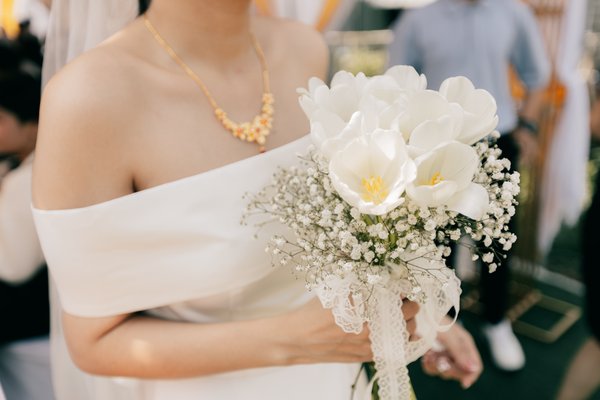
A modern minimalist wedding theme is not about stripping every room bare or limiting the day to white flowers and black chairs. It is about choosing a few details that feel unmistakably yours, then giving them room to shine. Think considered shapes, a calm color palette, comfortable lighting, and a reception where guests can enjoy each other without navigating crowded tables. The result can feel both polished and personal, even when the decor is deliberately simple.
Start With a Clear Visual Direction
Before ordering anything, choose three words that describe the celebration you want. “Warm, architectural, relaxed” leads to different choices than “crisp, monochrome, formal.” Use those words to assess everything from the ceremony backdrop to the escort cards. This makes a modern wedding theme coherent rather than merely sparse.
Choose one focal point for each major space. At the ceremony, it might be an elegant doorway. At dinner, it could be a line of candlelight. When every corner demands attention, the clean wedding aesthetic disappears. Restraint still needs personality; it just does not need competing statements.
Build a Restrained Palette That Feels Warm
Begin with one dominant neutral, one supporting shade, and a small accent. Ivory with taupe and muted olive feels organic; stone with charcoal and silver feels architectural. Use the main color on larger surfaces, such as linens and drapery, so smaller accents look intentional.
Texture brings warmth without adding visual noise. Pair smooth ceramics with natural linen, matte paper with subtle embossing, or pale timber with upholstered seats. Explore wedding color palette ideas against your actual venue: warm cream may look inviting in daylight but yellow beneath indoor lights. Request fabric swatches and examine them on-site.
Let the Ceremony Setting Work for You
Check what the venue already offers before renting a large installation. A courtyard wall, sculptural tree, tall window, or staircase can make a beautiful ceremony backdrop. Frame it lightly rather than covering it. Two asymmetric arrangements, for example, can guide the eye toward the vows while leaving the architecture visible.
Keep the aisle easy to navigate. Instead of placing greenery at every row, position a few arrangements where the aisle begins. Check the view from the back and sides. The people making promises should remain the center of attention.
Use Repetition for Minimalist Wedding Decor
At the reception, repetition creates rhythm more effectively than unrelated objects. Pick one centerpiece approach and repeat it: low bowls with a few stems, slender bud vases, or candleholders in a consistent finish. Guests should be able to see each other across the table, so keep displays low or clearly above eye level.
Simple wedding decor is strongest when practical pieces look beautiful too. A folded napkin brings color; a menu on tactile paper adds detail; graceful chairs may need no covers. Instead of filling every gap, invest in fitted linens and attractive glassware. For long tables, leave some clear space between flowers and candles. That breathing room is part of the design.
Make Lighting the Quiet Statement
Lighting often determines whether a minimalist room feels intimate or cold. Favor several soft sources over a harsh overhead wash. Dimmed fixtures, candles, and discreet portable lamps can create a welcoming glow. Confirm the venue’s flame rules and use approved enclosed candles or realistic battery-operated alternatives where necessary.
Check the room in daylight and after dark. A pale backdrop that looks lovely in the afternoon can fade away by evening. Good wedding lighting ideas should illuminate faces, dining tables, and special architectural features without overwhelming them.
Choose Florals With Shape and Breathing Room
Ask your florist for arrangements with a distinctive silhouette rather than an arbitrary number of stems. One graceful branch or a few sculptural seasonal blooms can be more memorable than dense bouquets. Available flowers depend on location, season, and budget, so describe the movement and proportions you want.
Repeat a flower or foliage family across the ceremony, personal flowers, and reception. You can vary scale without introducing new colors at every turn. One thoughtful focal arrangement often makes a stronger impression than several smaller pieces that compete for attention.
Keep Stationery and Clothing Consistent
Minimalist invitations work through confident typography, comfortable spacing, and good paper instead of elaborate graphics. Extend that approach to menus and signs, but prioritize legibility. Especially outdoors, choose type large enough to read and maintain sufficient contrast.
Wedding-party clothing can complement the setting without matching it exactly. Relaxed tailoring, simple silhouettes, and fabrics with movement fit the mood. Comfort and individual personality matter more than following a strict monochrome uniform.
Try This Plan for a Small Gallery Wedding
Imagine a 60-guest dinner in a gallery with white walls and oak floors. The ceremony takes place against a naturally lit arch instead of a rented floral wall. Three long dinner tables carry oatmeal linens, simple dark chairs, and small groups of cream flowers. Warm lamps soften the corners; menus and place cards share one typeface. The result feels coordinated without looking staged.
To test your own plan, sketch what guests see from the entrance. Mark the focal point, the natural gathering spaces, and what will appear in wide photographs. If an item serves no purpose in that view, consider removing it before paying a deposit.
Spend on What Guests Actually Notice
A minimalist wedding is not automatically inexpensive. Custom pieces, high-quality linens, and specialist florals can be costly. Give priority to comfortable seating, flattering light, appropriate table spacing, and smooth guest flow before decorative extras.
Ask vendors for an edited proposal with a purpose for each item. Reuse ceremony flowers at dinner only when transport and setup time make it practical. Fewer pieces may reduce installation work, but verify labor and delivery charges instead of assuming savings.
Frequently Asked Questions
What colors suit a modern minimalist wedding theme?
Warm neutrals, black and ivory, muted greens, and soft earth tones can all work. The best choice depends on the venue finishes and its light. Limit prominent colors and use materials to introduce depth.
Can a minimalist wedding feel romantic?
Yes. Candlelight, meaningful vows, music, flowers, and thoughtful hosting create romance. A restrained setting simply gives those experiences room to stand out.
How can I prevent minimalist wedding decor from looking unfinished?
Use repetition and appropriate scale. Tiny objects scattered around a large space can seem accidental, while one well-proportioned display feels intentional. Assess wide room photographs, not only close-ups.
Does minimalism work for outdoor weddings?
Absolutely. Let the landscape provide much of the visual character. Secure lightweight signs against wind, plan for changing light, and arrange a practical weather backup.
Keep the Focus on the Celebration
The best modern minimalist wedding theme does not ask guests to admire how little decor you used. It creates a welcoming setting where the people, food, music, and shared moments stand out. Choose a clear palette, repeat a few beautiful details, and stop decorating when the room already feels complete.
