

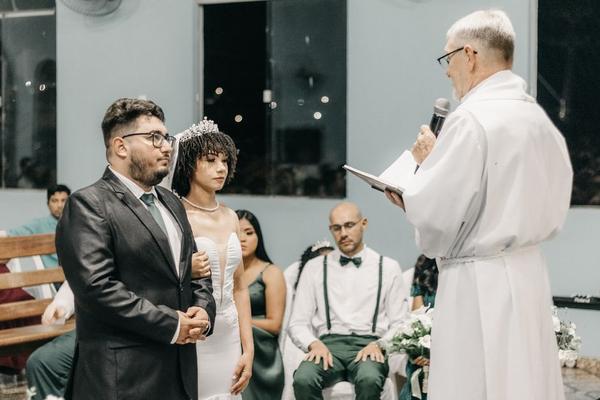
A wedding ceremony rehearsal is where a carefully planned celebration meets practical questions: who walks first, where everyone stands, and what happens when the music stops. A useful wedding ceremony rehearsal checklist keeps everyone focused without turning the evening into another stressful event. The goal is to make each transition familiar, even when wedding-day nerves arrive.
Think of the rehearsal as a test of movement and cues, not a full performance. You do not need to recite every word, but you should practice anything difficult to improvise in front of guests.
Before the Rehearsal: Set Up for Success
Plan roughly 30 to 60 minutes for wedding ceremony practice, allowing extra time for a large wedding party or complicated venue. Confirm access to the ceremony space and designate one leader, such as the coordinator, planner, officiant, or another person familiar with the order.
Share the arrival time, meeting point, and parking details. Invite the couple, officiant, attendants, escorts, readers, and anyone involved in carrying rings or ceremonial items. Musicians may rehearse separately, but the person directing the practice must know their cues.
Bring a ceremony outline, a list of participants in walking order, and any readings. Check the wedding day timeline against venue access and the intended ceremony start. A written wedding ceremony order also helps participants understand how their individual parts connect.
The Wedding Ceremony Rehearsal Checklist, Step by Step
1. Identify entrances and exits
Walk the actual route if the venue is available. Locate the waiting area, aisle entrance, ceremony focal point, and exit. If you are practicing elsewhere, use chairs to represent the aisle and positions, then confirm differences with the venue coordinator.
Check: Does everyone know where to wait, which entrance to use, and who gives the starting signal?
2. Practice the processional and music cues
Arrange everyone in walking order. Practice pairs, solo walkers, escorts, and children. Instead of memorizing seconds, use a reliable cue: for example, begin when the preceding pair reaches a particular row. Assign someone to signal musicians or open doors.
Imagine two attendants reaching the front while the next pair waits behind a closed door. During the rehearsal run through, check whether anyone at that door can see the aisle. If not, assign a person to relay the cue; guessing could disrupt the procession.
Check: Are walking pace, spacing, music transitions, and the couple’s entrances clear?
3. Confirm standing positions and seating
Show attendants where to stand and which way to face. Agree who holds bouquets, adjusts a train, or provides help when required. Confirm when guests should sit, if that cue is part of the ceremony.
A ceremony seating plan can clarify reserved places for immediate family and anyone needing assistance.
Check: Can people find their positions without repeated directions?
4. Rehearse readings, vows, and rings
Readers should know when to approach, where to stand, and how to use a microphone. Reading their first and last lines is often enough. For vows, confirm who holds the cards and whether the couple reads independently or repeats after the officiant.
Decide who carries the real rings on the wedding day. Practice the transfer using substitutes, especially if a child is involved. Avoid uncertainty over who has the rings and when they should be handed over.
Check: Who holds the rings before the ceremony, and exactly when do they reach the couple?
5. Walk through rituals and the recessional
If there is a unity ritual, blessing, cultural tradition, or signing, establish who brings items forward and where they go afterward. For sacred elements, rehearsing movement may be more appropriate than repeating the ritual itself.
Practice the recessional: the couple leaves first if that is the chosen order, followed by participants as planned. Confirm where everyone goes afterward, especially when the doorway or reception entrance is narrow.
Check: Does each person know the exit order and destination?
Do One Uninterrupted Practice
Once everyone knows the separate steps, repeat the ceremony movements from the first entrance to the final exit without stopping. The leader can note problems and discuss them afterward. This tests whether cues work without someone constantly explaining them.
Keep the rhythm comfortable rather than forcing exact seconds. Actual timing can change with music, clothing, nerves, and photography. Consistent signals matter more than a perfectly timed rehearsal.
Prepare for the Problems That Actually Happen
Useful wedding rehearsal tips address awkward possibilities before they occur. Who helps a flower child who freezes? What if someone arrives late? What if the officiant asks for the rings before the person carrying them is ready?
Make simple backup arrangements. Assign a trusted adult to support young children, identify accessible routes, and select one person to handle unexpected movement discreetly. Avoid creating a complicated alternative script for every possible mishap.
For an outdoor ceremony, confirm an indoor backup entrance or layout. If the venue changes, update the processional order and seating instructions. Everyone should know how changes will be communicated.
The Final Five-Minute Checklist
Before dismissing the group, confirm the essentials aloud:
Check: Each participant knows their arrival point, waiting position, walking partner, and cue.
Check: The officiant and coordinator agree on the readings, ring handoff, rituals, and exit order.
Check: The person with the final outline will update musicians, ushers, and venue staff.
Check: Children, participants needing accessibility support, and anyone with an unusual entrance have practical arrangements.
Finish by naming one contact person for last-minute questions. A successful ceremony rehearsal should reduce the number of decisions people must make on the wedding day.
Frequently Asked Questions
Who needs to attend the wedding ceremony rehearsal?
Invite those whose movement or cues affect the ceremony: the couple, officiant, attendants, escorts, readers, and people responsible for rings or ritual items. Share any updates with musicians and venue staff who cannot attend.
How long does a wedding rehearsal take?
Many groups can cover the key movements in approximately 30 to 60 minutes. A larger wedding party, multiple traditions, or accessibility arrangements may require longer. Focus on clarity rather than extending practice unnecessarily.
Should we practice our entire vows and readings?
Usually, no. Readers can test their approach and microphone use, while the couple confirms how vow cards will be handled. Save the full words for the wedding if preferred.
What if we cannot rehearse at the actual venue?
Mark a similar aisle and standing space somewhere else. Practice the order and cues, then have the venue or coordinator confirm the actual doors, distances, and obstacles before the ceremony.
Leave with a Clear, Shared Plan
A smooth ceremony does not require a flawless performance. It depends on familiar transitions, simple signals, and someone prepared to guide the group if plans change. Work through this wedding ceremony rehearsal checklist, settle the confusing moments in advance, and let everyone enjoy the experience when the day arrives.
