

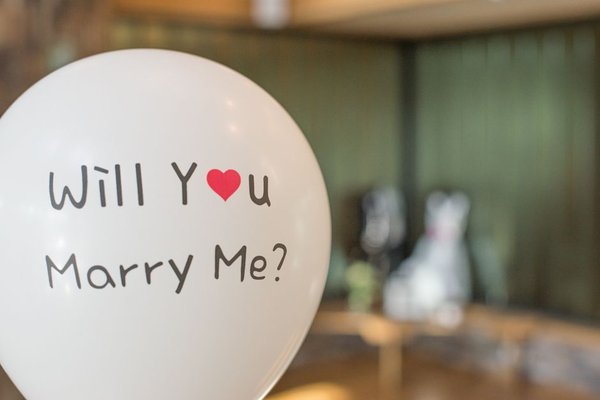
A proposal can feel wonderfully private even when a room full of people is waiting nearby. That is the appeal of turning the “yes” into a surprise engagement celebration: the couple gets an intimate moment first, then shares the excitement with family and friends. The challenge is protecting both experiences. Too many moving parts can make the proposal feel staged, while one careless message can expose the plan.
The best surprise engagement party proposal ideas are built around a clean handoff. One person manages the proposal setting, another manages the guests, and the couple is never rushed. With thoughtful timing, a believable cover plan, and a small trusted team, the transition can feel natural rather than engineered.
Decide What Must Remain Private
Start by separating the plan into two secrets: the proposal itself and the gathering afterward. Some couples would love a family surprise immediately after getting engaged; others may want thirty quiet minutes together before seeing anyone.
Think carefully about your partner’s personality. A surprise proposal party works best for someone who enjoys shared celebrations and would be happy to see loved ones while emotions are still high. If your partner dislikes being the centre of attention, keep the guest list small or arrange a relaxed dinner instead of a dramatic reveal.
Choose a Proposal Location Near the Party
Distance is one of the biggest practical risks. A beautiful viewpoint followed by a forty-five-minute drive creates time for delays, questions, and accidental clues. Ideally, the proposal and party should be in the same venue or within ten to fifteen minutes of each other.
A garden proposal can lead into a “casual family dinner” inside the house. A quiet walk near a hotel can end with drinks in a private room. A restaurant proposal can flow into a reserved space where guests are waiting. The closer the locations, the easier timing becomes.
Natural internal linking opportunities here include proposal locations for private moments and how to plan a surprise proposal.
Create a Believable Cover Story
The cover plan should explain the date, clothing, travel, and schedule without becoming complicated. A birthday dinner, family photo session, anniversary outing, or restaurant reservation can provide a believable reason to dress well and arrive at a specific time.
Avoid a story that requires several people to lie directly to your partner. The more conversations involved, the greater the chance that details will conflict. Give guests one short explanation to use if contacted, and ask them not to improvise.
Build a Small Secrecy Team
Do not share the full plan with every guest. Choose two or three reliable people and give each person one clear responsibility.
The proposal coordinator confirms that the setting is ready and signals when the moment has happened. The guest coordinator handles arrivals, parking, phones, food, and questions. A photographer or trusted friend captures the proposal without directing it too heavily.
Everyone else only needs the arrival time, entrance instructions, dress guidance, and a firm reminder not to post anything. A secret engagement party is safer when information is limited.
Plan the Handoff After the Yes
The transition should allow time for the newly engaged couple to breathe. Do not have guests jump out five seconds after the ring appears unless you know your partner would genuinely enjoy that level of surprise.
A smoother approach is to spend ten to twenty minutes together, take a few photographs, and then introduce the next step. You might say that you booked a table for a celebratory drink, want to stop by a relative’s house, or have one more small surprise planned.
For example, imagine proposing during a sunset walk in a hotel garden. Afterward, the photographer takes a few portraits while the guest coordinator confirms everyone is inside. You suggest having a drink in the lounge, staff guide you to a private room, and the doors open to your closest people. The proposal remains personal, while the reveal still feels immediate.
Manage Guests Without Creating Clues
Ask guests to arrive at least forty-five minutes early. Late arrivals may cross paths with the couple, call for directions, or park somewhere visible. Send final instructions on the day and make one coordinator the only contact person.
Tell guests to silence phones, avoid tagging locations, and keep cars away from the main entrance when possible. Give habitually late relatives an earlier stated time. Children may need an activity or supervising adult so they do not wander into the proposal area.
Keep the Celebration Comfortable
The party does not need to be elaborate. The emotional high of the proposal is already the main event. Drinks, a simple meal, a cake, photographs, and a short toast are usually enough. Avoid scheduling speeches or games immediately after arrival.
Include food your partner enjoys, provide seating for older relatives, and create a quiet corner where the couple can step away. Consider asking guests to put phones away for the first few minutes so the couple can greet people without facing a wall of cameras.
Another natural internal linking opportunity is engagement party planning ideas for food, decorations, and hosting.
Prepare for Timing Changes
Every proposal plan needs a buffer. Weather, traffic, nerves, or venue delays can shift the schedule. Create a group chat that excludes your partner and agree on simple updates such as “on time,” “fifteen minutes late,” or “move to backup plan.”
Choose a backup proposal spot and decide how long guests should wait before food is served. If your partner becomes emotional or wants privacy, the coordinator should protect that space. The party must support the proposal, not pressure it.
Frequently Asked Questions
How do you keep a surprise engagement party secret?
Limit full details to a small planning team, give guests one coordinator, use a believable cover story, and request no social posts or location tags. Share final arrival instructions close to the event rather than weeks in advance.
How long should you wait between the proposal and party?
Ten to thirty minutes works well for many couples. It allows time to talk, take photos, and settle into the moment. A longer break may be better if your partner values privacy.
Who should be invited to a proposal reveal party?
Invite people your partner would genuinely want to see immediately after getting engaged. Close family and a small circle of friends usually feel more personal and are easier to coordinate than a large crowd.
Should guests watch the actual proposal?
Only when you are confident your partner would enjoy it. Hidden guests can add pressure and increase the risk of discovery. A private proposal followed by a separate reveal often offers the best balance.
Make the Surprise Serve the Moment
The strongest plans are not the most complicated. They protect the proposal, respect your partner’s comfort, and make the family surprise feel like a natural continuation of the day. Keep the locations close, assign clear roles, build in breathing room, and let the engagement remain the focus. When the secret is handled quietly, the celebration after the yes can feel effortless.
