

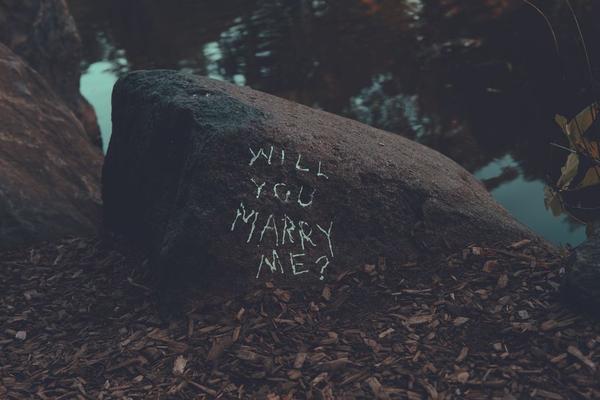
A scavenger hunt proposal turns one big question into a complete experience. Instead of leading straight to the ring, you create a trail of memories, clues, and small surprises that build anticipation. It can feel playful, romantic, and deeply personal while fitting almost any relationship, budget, or location.
The best scavenger hunt proposal ideas are not about making every puzzle difficult. They are about creating an emotional journey. Each stop should mean something, move the story forward, and make your partner feel excited rather than confused or rushed.
Start With the Final Proposal Moment
Before writing a clue, decide where and how you want to propose. The final location shapes the length of the hunt, the route, the timing, and whether you need help from friends or family.
Choose somewhere meaningful and practical. It might be where you first met, your favourite park, a scenic viewpoint, a private restaurant table, or a decorated room at home. Consider crowds, weather, parking, opening hours, accessibility, and how private your partner would prefer the moment to be.
Once the ending is fixed, work backwards. Decide where the hunt will begin, how many stops fit naturally, and what your partner will need at each stage.
Choose a Story for the Hunt
A memorable treasure hunt proposal usually has a simple connecting theme. You could follow the timeline of your relationship, beginning with your first conversation and moving through important dates. You might build the clues around favourite songs, holidays, or private jokes.
Another option is a “reasons I love you” theme, with each clue revealing a quality, memory, or hope for the future. Keep the theme consistent enough to feel intentional, but do not force it. A personal detail matters more than a perfectly matched concept.
Plan a Manageable Route
Most hunts work well with four to seven clues. Fewer stops may feel brief, while a long route can become tiring or increase the chance of delays. The right length depends on whether the hunt takes place in one home, around a neighbourhood, or across several city locations.
Write every stop in order and estimate the travel time between them. Add time for reading clues, photographs, helpers, traffic, and unexpected pauses. A surprise proposal plan needs structure, but it also needs breathing room.
Avoid unsafe or difficult locations. If the route includes cafés, shops, parks, or other venues, check opening times and ask permission where necessary.
Write Personal but Solvable Clues
The strongest clue proposal combines meaning with clarity. Your partner should need to think, but the answer should not depend on an obscure detail that only makes sense to you.
Use Shared Memories
Refer to a recognisable moment, such as the café where you had your first date, the shelf holding your holiday photographs, or the song you always play in the car. Include enough detail to point clearly toward the next location.
Try Rhymes and Simple Puzzles
Short rhymes can make clues playful. A puzzle proposal might also use a word scramble, a date written as a number code, a marked map, or the first letters of several sentences forming a word.
Test every puzzle before the proposal day. Give the clues to someone who understands your relationship but did not write them. If that person cannot follow the answer, simplify the wording or add another detail.
Prepare Backup Hints
Create a small hint for every clue. A helper can send it by text, or you can place it in an envelope marked “Open only if needed.” This prevents one difficult puzzle from stopping the entire experience.
Add Small Surprises Along the Way
Each stop can include something that adds emotion without distracting from the final proposal. Consider a photograph, handwritten note, favourite snack, flower, or small object connected to a shared memory.
You could also ask important people to appear at selected stops. A sibling might hand over a clue, a friend might take photographs discreetly, or a family member might share a short message. Only involve others if your partner would enjoy the attention. For someone private, hidden notes and quiet locations may be more meaningful.
Coordinate Helpers Clearly
Give each helper the location, arrival time, role, and backup plan. Explain whether they should remain hidden, greet your partner, deliver an item, take photographs, or guide them toward the next stop.
Create a group chat that does not include your partner and choose one trusted person to manage updates. That allows you to focus on the final setup instead of constantly checking your phone.
Keep the Surprise Fun, Not Stressful
A believable reason for the outing will help the hunt begin naturally. You might present it as a date-day challenge, birthday activity, favour for a friend, or casual visit to a familiar place. Make sure the explanation encourages suitable clothing and footwear.
Do not stage a fake emergency or make your partner think something is wrong. Surprise works best when it creates curiosity and excitement, not fear or embarrassment.
Prepare the Proposal Day Timeline
Build a simple schedule covering setup, helper arrival, the start of the hunt, estimated times at each clue, and the final proposal. Check venue bookings, travel conditions, batteries, ring storage, and weather. Print spare clues and keep digital copies on your phone.
If the plan is outdoors, choose a backup location. A home-based hunt can be just as romantic and is easier to control, especially when rooms, books, photographs, and meaningful objects are used creatively.
Make the Final Moment Feel Special
The final clue should signal that the adventure is reaching its emotional peak. It might lead to a candlelit room, a favourite viewpoint, a path of photographs, or a handwritten letter waiting beside you.
When your partner arrives, let the moment breathe. You do not need a perfect speech. Explain what your relationship means to you, why you want a future together, and ask the question clearly. The clues create the build-up, but honest words create the memory.
Frequently Asked Questions
How long should a scavenger hunt proposal take?
For most couples, 45 minutes to two hours is enough. Allow extra time if the hunt involves driving, several helpers, or busy public locations.
How difficult should the clues be?
Clues should feel rewarding without causing frustration. Use familiar memories, clear wording, and backup hints.
Can I plan a scavenger hunt proposal at home?
Yes. A home hunt can use photographs, favourite books, cupboards, music playlists, and meaningful objects. It is affordable, private, weatherproof, and easy to personalise.
Should family and friends attend the final proposal?
That depends on your partner. Some people love celebrating immediately, while others value privacy. You can also propose alone and arrange a gathering afterwards.
Create an Adventure That Feels Like Your Relationship
The most successful scavenger hunt proposal ideas are thoughtful rather than complicated. Start with a meaningful ending, create a manageable route, write enjoyable clues, and prepare backups for likely problems.
Whether you design a city-wide treasure hunt proposal or a quiet puzzle trail at home, the goal is to turn shared memories into a path toward your next chapter. When every detail feels personal and considerate, the final question becomes even more unforgettable.
