

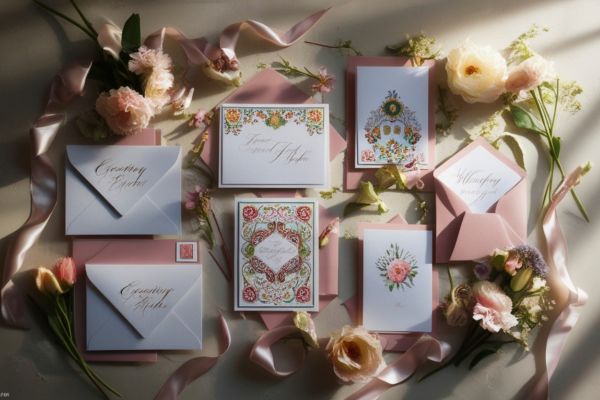
Wedding invitations carry more than a date, a venue, and a dress code. They are the first formal glimpse guests receive of the celebration ahead. Before anyone sees the flowers, hears the music, or walks into the reception room, they hold that envelope in their hands. And that is why learning how to address wedding invitations correctly matters more than many couples expect.
At first, addressing envelopes sounds simple. You write a name, add an address, and send it off. But wedding etiquette has its own little language. Married couples, unmarried partners, families with children, doctors, judges, widows, divorced guests, and plus-ones can all raise questions. Should you use titles? Should children be listed? Should you write “and guest”? What if someone kept their maiden name?
The good news is that modern wedding invitation etiquette is more flexible than it once was. Correct does not have to mean stiff or old-fashioned. It means clear, respectful, and thoughtful.
Why the Envelope Still Sets the Tone
Even in a world of wedding websites and digital RSVP forms, the outer envelope still feels personal. It tells the guest exactly who is invited. That detail is important, especially when you are managing headcounts, seating, children, or plus-ones.
A properly addressed invitation avoids awkward misunderstandings. If only one person is invited, the envelope should make that clear. If a guest may bring someone, the wording should show it. If the whole family is welcome, the children’s names or family name should be included in a way that feels warm and unmistakable.
There is also a quiet emotional side to this. People notice how their names are written. A correctly spelled name, the right title, and a respectful format all suggest care. It says, in a small but meaningful way, that their presence matters.
Traditional Versus Modern Addressing
Traditional wedding invitation etiquette usually uses full names, formal titles, and carefully structured wording. For example, a married couple with the same last name might be addressed as “Mr. and Mrs. James Anderson.” This style is still common for formal weddings, especially black-tie celebrations, religious ceremonies, or events hosted by families who appreciate classic customs.
Modern etiquette gives couples more room. Many people now prefer both first names to appear, such as “Mr. James Anderson and Mrs. Emily Anderson.” Some couples skip titles completely and use “James and Emily Anderson,” especially for a relaxed or contemporary wedding.
Neither approach is wrong. The best choice depends on the tone of the wedding and the preferences of the people receiving the invitation. If your celebration is formal, traditional wording may feel appropriate. If your wedding is intimate, casual, or modern, a simpler style may feel more natural.
Addressing a Married Couple With the Same Last Name
For a traditional format, a married couple who shares a last name can be addressed as “Mr. and Mrs. Thomas Bennett.” This uses the husband’s full name in the classic style. While still acceptable in formal etiquette, some couples find it outdated because it leaves out the wife’s first name.
A more modern and balanced option is “Mr. Thomas Bennett and Mrs. Claire Bennett.” This keeps the formal titles while giving each person their own name. For a less formal invitation, “Thomas and Claire Bennett” is clear, warm, and perfectly acceptable.
When deciding how to address wedding invitations, it helps to think about the guests themselves. If you know they prefer traditional titles, use them. If they are more casual in everyday life, a first-name format may feel more comfortable.
Addressing a Married Couple With Different Last Names
Many married couples do not share a last name, and the envelope should reflect that clearly. In formal wording, write each person’s full name on the same line if space allows, such as “Ms. Rachel Morgan and Mr. Daniel Price.” If the names are long, place them on separate lines.
The order can depend on closeness, preference, or alphabetical order. If one person is your close friend and the other is their spouse, it is common to list the person you know better first. If both are equally close, either order is fine.
The important thing is not to assume a shared last name. Using the correct individual names shows attention and respect.
Addressing Unmarried Couples Living Together
For unmarried couples who live at the same address, both names should be included on the envelope. A common format is “Ms. Olivia Harris and Mr. Ethan Cole.” Since they are not married, each person keeps their own title and full name.
If the couple has different last names, this format is simple. If they happen to share a last name but are not married, write both full names to avoid confusion. The goal is to make it clear that both people are invited.
For more casual weddings, using both first and last names without titles also works well. Modern etiquette allows couples to choose wording that feels respectful without being overly formal.
Addressing Single Guests
A single guest should be addressed by their full name. In a formal style, use a title such as “Ms. Hannah Lewis,” “Mr. Adam Brooks,” or “Mx. Taylor Reed.” The title “Ms.” is generally appropriate for adult women unless you know they prefer “Miss,” “Mrs.,” or another title.
If your guest is invited with a plus-one, you may write “Ms. Hannah Lewis and Guest.” Some couples prefer to include the guest’s actual name if they know it, which feels more personal. For example, “Ms. Hannah Lewis and Mr. Ryan Clark” is better than “and Guest” when the partner’s name is known.
A plus-one should only be included if you truly intend to offer one. The envelope is not just decoration; it is part of the invitation boundary.
Addressing Families With Children
Family invitations can be handled in a few ways. If the entire family is invited, you may write “The Carter Family” on the outer envelope. This is simple and friendly, especially for casual or semi-formal weddings.
For a more formal approach, address the parents on the outer envelope and include the children’s names on the inner envelope, if you are using one. For example, the outer envelope might read “Mr. and Mrs. Jonathan Carter,” while the inner envelope reads “Jonathan, Melissa, Sophie, and Jack.”
If children are not invited, avoid writing “The Carter Family,” because that suggests everyone in the household is included. Instead, address the invitation only to the adults. This small detail helps prevent uncomfortable conversations later.
Addressing Doctors, Military Guests, and Professional Titles
Professional titles should be used when they are relevant and known. A doctor may be addressed as “Dr. Amelia Grant.” If both members of a couple are doctors, you can write “Doctors Amelia and Robert Grant” if they share a last name, or “Dr. Amelia Grant and Dr. Robert Chen” if they do not.
Military titles, judges, clergy, and other formal titles should also be written correctly when used. For example, “The Honorable Patricia Wells” may be appropriate for a judge, depending on the level of formality.
That said, not every guest expects their professional title on a wedding envelope. If you are unsure, consider the tone of your wedding and the guest’s usual preference. Some people appreciate the formality; others prefer a simpler personal address.
Inner Envelopes and What They Clarify
Not every couple uses inner envelopes today, but they can be helpful. The outer envelope carries the mailing address and formal guest names. The inner envelope can be more personal and can clarify exactly who is invited.
For example, the outer envelope might say “Mr. and Mrs. David Miller,” while the inner envelope says “David and Anna.” If children are invited, their names can be added. If a plus-one is included, the inner envelope can say “David and Guest.”
Inner envelopes are especially useful for formal weddings, but they are not required. If you skip them, make sure the outer envelope is clear enough on its own.
Common Mistakes to Avoid
One of the most common mistakes is guessing. Guessing last names, titles, spellings, or relationship status can lead to small but noticeable errors. It is always better to check than to assume.
Another mistake is being unclear about plus-ones and children. Guests often read the envelope as the final word on who is invited. If the invitation is vague, they may bring someone you did not plan for, or they may feel embarrassed when they ask.
Couples should also avoid nicknames on formal envelopes unless the wedding is very casual or the guest strongly prefers that name. The envelope should feel polished, even if the celebration itself is relaxed.
Conclusion
Understanding how to address wedding invitations correctly is really about balancing etiquette with real life. The rules give structure, but thoughtfulness gives the envelope its warmth. A beautifully addressed invitation does not need to feel old-fashioned or overly formal. It simply needs to be clear, respectful, and suited to the people receiving it.
Whether you choose traditional titles, modern first-name wording, or something in between, the goal is the same: to make every guest feel properly welcomed while avoiding confusion about who is invited. In the busy swirl of wedding planning, envelope wording may seem like a small task. But small details often set the tone for the whole celebration, and this is one detail worth getting right.
