

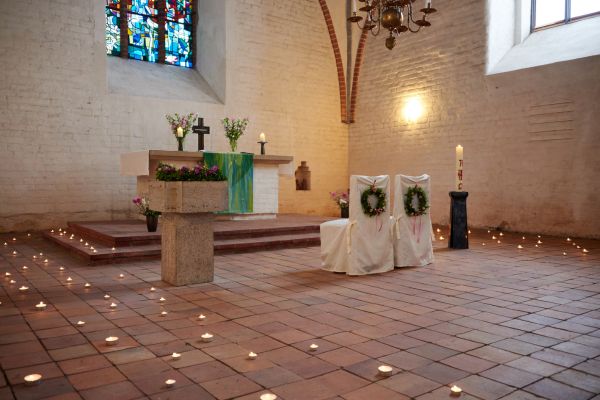
A wedding ceremony may last only twenty or thirty minutes, but it carries enormous emotional weight. Families gather, traditions unfold, and two people make one of the most meaningful promises of their lives. In the center of it all stands the officiant — the person responsible for guiding the ceremony with dignity, warmth, and clarity.
Because of this role, understanding the officiant dos and don’ts for weddings is essential. A good officiant doesn’t simply read from a script. They create an atmosphere that feels authentic, respectful, and memorable for the couple and everyone present.
While every ceremony is unique, certain principles help officiants handle the moment with grace. From preparation to delivery, the right approach can transform a ceremony into something deeply meaningful rather than awkward or rushed.
Understanding the Role of the Wedding Officiant
Before diving into the practical officiant dos and don’ts for weddings, it helps to understand what the role truly involves. An officiant is more than someone who legally marries a couple. They serve as the narrator, the guide, and often the emotional anchor of the ceremony.
In many cases, the officiant is responsible for setting the tone. Some ceremonies feel joyful and lighthearted, while others are deeply spiritual or traditional. The officiant helps shape that atmosphere through their words, pacing, and presence.
Beyond the ceremony itself, officiants often assist couples with writing vows, structuring the order of events, and ensuring legal requirements are met. It’s a role that blends storytelling, public speaking, and emotional awareness.
Because of that responsibility, thoughtful preparation and sensitivity are key.
Do Take Time to Know the Couple
One of the most important officiant dos for weddings is taking time to genuinely understand the couple. A ceremony feels far more meaningful when it reflects their personalities, values, and relationship story.
Meeting with the couple beforehand allows the officiant to learn how they met, what matters most to them, and what kind of tone they want for the ceremony. Some couples prefer heartfelt and romantic words, while others lean toward humor or storytelling.
When officiants include personal details in the ceremony, guests often feel more connected to the moment. It turns the ceremony into something personal rather than generic.
Even small details can make a difference — shared memories, cultural traditions, or the meaning behind the couple’s vows.
Don’t Make the Ceremony About Yourself
Among the most critical officiant dos and don’ts for weddings is remembering who the ceremony is truly about. The spotlight should always remain on the couple.
Occasionally, officiants fall into the trap of telling long personal stories, making inside jokes that only they understand, or speaking excessively about their own experiences. While warmth and personality are welcome, the ceremony should never feel like a performance centered on the officiant.
The best officiants speak with humility and restraint. Their role is to guide the ceremony, not dominate it.
When in doubt, simplicity often works best.
Do Prepare and Rehearse Thoroughly
A wedding ceremony might look effortless when everything flows smoothly, but that ease usually comes from careful preparation.
Good officiants review their script multiple times before the ceremony. They practice pacing, pronunciation of names, and the order of events. They also coordinate with the wedding planner, musicians, and other participants to ensure timing works properly.
Rehearsals can be especially helpful. Even a short walkthrough allows the officiant to clarify where everyone will stand, when vows will be exchanged, and how transitions will happen.
Preparation helps prevent awkward pauses, confusion, or missed moments during the ceremony.
Don’t Ignore Cultural or Religious Traditions
Weddings often carry deep cultural, religious, or family traditions. Another important point in the list of officiant dos and don’ts for weddings is respecting those traditions fully.
Some ceremonies involve rituals such as unity candles, handfasting, blessings, or readings from sacred texts. In multicultural weddings, traditions from both families may be included.
Officiants should take time to understand these elements and treat them with care. Mispronouncing a meaningful phrase or rushing through an important ritual can unintentionally diminish the moment.
Approaching traditions with curiosity and respect ensures the ceremony honors the couple’s background and values.
Do Maintain a Calm and Grounded Presence
Weddings can be emotional and sometimes unpredictable. Guests may cry, children may wander, microphones may fail, or unexpected weather may arrive.
An experienced officiant remains calm in these situations.
Their steady presence reassures the couple and keeps the ceremony moving smoothly. Even small gestures — a reassuring smile or a brief pause — can help everyone stay focused on the moment rather than the distraction.
Many officiants say that composure is one of the most valuable qualities they can bring to a ceremony.
When the officiant is calm, the ceremony naturally feels more relaxed and meaningful.
Don’t Rush Through the Ceremony
Some officiants move through the ceremony too quickly, especially if they feel nervous or pressured by the schedule. But weddings deserve thoughtful pacing.
Moments such as exchanging vows or rings should feel unhurried. Guests need time to absorb what is happening, and the couple should have space to experience the moment fully.
Pauses can be powerful. A brief moment of silence after vows or a meaningful reading allows the words to resonate.
Balancing timing and emotion is one of the subtle skills behind effective officiating.
Do Speak Clearly and Naturally
Public speaking is a central part of officiating. Clear communication helps everyone present stay connected to the ceremony.
Officiants should speak slowly enough to be understood but naturally enough to avoid sounding overly formal. Using a conversational tone often makes the ceremony feel warm and authentic.
Eye contact with the couple and the guests can also strengthen the emotional connection. Reading every word from a page without looking up may create distance between the officiant and the audience.
A confident, relaxed voice helps the ceremony feel sincere and engaging.
Don’t Use Inappropriate Humor
Humor can be a wonderful addition to a wedding ceremony when used carefully. Lighthearted moments often help guests relax and enjoy the celebration.
However, one of the key officiant dos and don’ts for weddings is avoiding humor that could embarrass the couple or their families.
Stories about past relationships, private jokes, or awkward anecdotes rarely belong in a wedding ceremony. What might seem funny to one person can feel uncomfortable to others.
When humor is used, it should be gentle, inclusive, and respectful of the occasion.
Do Ensure Legal Requirements Are Met
Beyond the emotional aspects of the ceremony, officiants also carry legal responsibilities.
Marriage laws vary by region, but officiants must typically ensure the marriage license is signed correctly and filed within the required time frame. Forgetting this step can create complications for the couple after the wedding.
Experienced officiants double-check the paperwork before and after the ceremony. They confirm signatures, witness requirements, and filing procedures so everything is handled properly.
This administrative detail may seem small, but it is an essential part of the officiant’s role.
Don’t Overcomplicate the Ceremony Script
While creativity is welcome, overly complicated ceremonies can become confusing or exhausting for guests.
Long readings, multiple rituals, and extended speeches may dilute the emotional impact rather than enhance it. A well-balanced ceremony usually combines meaningful words with moments of simplicity.
Officiants who keep the script clear and focused often create ceremonies that feel more powerful and memorable.
Sometimes the most beautiful ceremonies are the ones that allow genuine emotion to shine without unnecessary complexity.
Conclusion
Weddings are filled with anticipation, emotion, and meaning. At the heart of the ceremony stands the officiant, quietly guiding the moment when two lives formally join together.
Understanding the officiant dos and don’ts for weddings helps ensure that the ceremony unfolds with respect, warmth, and authenticity. From preparing thoughtfully to speaking with sincerity, each choice the officiant makes contributes to the atmosphere of the day.
When officiants focus on the couple, honor traditions, and maintain a calm presence, they create space for something truly special to happen. The ceremony becomes more than a formal exchange of vows — it becomes a memory that the couple and their loved ones will carry with them for years to come.
