

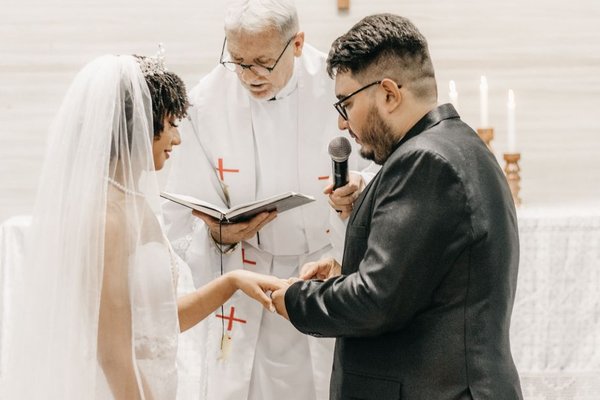
An officiant influences how your wedding feels just as much as the music or vows. But a warm introductory call is not enough to know whether someone is right for the job. The best questions to ask a wedding officiant uncover two things: how they will tell your story and how reliably they will handle the details. Before paying a deposit, discuss ceremony style, legal responsibilities, rehearsals, travel, pricing, and contingency plans.
Confirm Availability and Relevant Experience
Start with your wedding date, location, ceremony time, and expected duration. Ask whether the officiant has another event that day and how much time they allow between commitments. A full calendar is not necessarily a concern, but rushed travel arrangements might be.
Have You Officiated Weddings Like Ours?
Ask about ceremonies of a similar size, setting, religious background, or cultural mix. If you are planning an interfaith or bilingual wedding, request an example of how they have accommodated both partners respectfully. The answer should be more specific than a general claim of flexibility.
What Is Your Speaking Style?
Would the ceremony feel reflective, lighthearted, traditional, or conversational? Ask whether you can watch a complete past ceremony with the couple’s permission. A longer example reveals pacing and the ability to manage transitions better than a short promotional clip.
Find Out How Personalization Actually Works
Many officiants promise a personal ceremony. The useful follow-up is: what is your process? Do you send a questionnaire, interview both partners, or schedule planning calls? How do you turn their answers into a script without revealing stories they would rather keep private?
Ask whether you can review the script and request revisions. Discuss limits on humor, religious wording, readings, cultural traditions, and rituals. Find out whether the officiant helps introduce family members who are participating.
Imagine that one partner wants a short secular service while the other hopes to include a family blessing. A skilled officiant should explain how both wishes might fit, what language could be adjusted, and whether venue or legal rules impose restrictions. That tells you more than a promise to customize everything.
Can We Write Our Own Vows?
Ask about personal vows, suggested length, and support with balancing tone. Some couples share private vows separately and exchange brief promises publicly. Reviewing a guide to writing wedding vows may help you choose a format before your planning call.
Ask About Legal Authority and Marriage Paperwork
One of the most important wedding officiant questions is whether the person can legally conduct your marriage at the intended venue. Requirements vary by jurisdiction and ceremony type. Someone who conducts a beautiful symbolic ceremony is not automatically authorized to perform a legal marriage.
Ask who obtains the marriage license or gives any required notice, what identification is needed, whether witnesses must attend, who signs the documents, and who submits them afterward. Get responsibilities and deadlines in writing. In the United States, procedures and filing deadlines can differ by location. In England and Wales, civil marriages require a registrar, while religious marriages follow separate rules for authorized people and venues.
Confirm current rules with the relevant government registration office. A reliable officiant can explain their responsibilities without suggesting that one process applies everywhere.
Understand the Rehearsal and Ceremony Timeline
Is an Officiant Rehearsal Included?
Some packages include a rehearsal; others charge separately or provide remote guidance. Ask who will cue the procession, coordinate the ring exchange, position readers, and direct the recessional. If a wedding coordinator handles these tasks, establish who is responsible for each cue.
Confirm when the officiant arrives, whether they need a microphone, and who has a printed backup of the script. If your ceremony is outdoors, discuss rain, wind, and a possible move indoors. A wedding ceremony timeline can help everyone agree on entrances, readings, and photography transitions.
Check Fees, Travel Costs, and Contract Terms
Request the complete price, not just the advertised ceremony fee. Does it cover consultations, custom writing, revisions, a rehearsal, travel, parking, accommodation, or extra waiting time? Ask how mileage is calculated and whether changing the venue would alter the price.
Clarify the deposit, balance due date, cancellation terms, and any nonrefundable charges. Destination weddings also call for a conversation about disrupted travel and who covers replacement arrangements. Your written agreement should identify exactly what you are purchasing; a wedding vendor contract checklist can help you compare candidates consistently.
Ask What Happens if Plans Change
Ask directly: what happens if you become ill or cannot attend? Does the officiant have a qualified backup officiant, and could you meet that person before the wedding? Who covers any price difference? A vague promise to find someone is weaker than an established backup plan.
Discuss postponements, venue changes, and how much notice is needed. Confirm whether deposits transfer to another date and how to reach the officiant during the final week. For an outdoor destination wedding, ask whether a replacement could legally officiate at the proposed alternative location.
Pay Attention to the Answers
Notice whether the officiant listens to both partners and explains any limits honestly. Be cautious if they dismiss your preferences, cannot describe the paperwork, avoid questions about fees, or refuse to put essential terms in writing.
After each interview, compare three things: did you feel understood, can this person deliver the legal and logistical requirements, and do the fees and backup arrangements make sense? You need someone whose presence feels right and whose preparation earns your trust.
Frequently Asked Questions
How Early Should We Book Our Wedding Officiant?
Start interviewing once your date and venue are reasonably firm. Popular wedding dates can fill up early, so do not rely on a fixed booking window.
Should We Meet Before Paying a Deposit?
Ideally, yes. A video or phone call is enough to gauge communication style, ask detailed questions, and clarify what the contract includes.
Does the Officiant Need to Attend the Rehearsal?
Not always. A coordinator may run entrances and positioning while the officiant reviews the ceremony cues separately. Complex rituals can make direct participation more valuable.
Can a Friend Officiate Our Wedding?
Possibly. Check the legal authorization rules where you will marry, including any registration or appointment requirements. A symbolic ceremony and a legally recognized marriage are not always equivalent.
Choose Someone Who Is Prepared, Not Just Personable
The most useful questions to ask a wedding officiant cover both emotion and execution. Look for a thoughtful approach to ceremony personalization, clear paperwork responsibilities, a workable rehearsal plan, transparent fees, and dependable backup coverage. With those answers settled, you can focus on the promises you came to exchange.
