

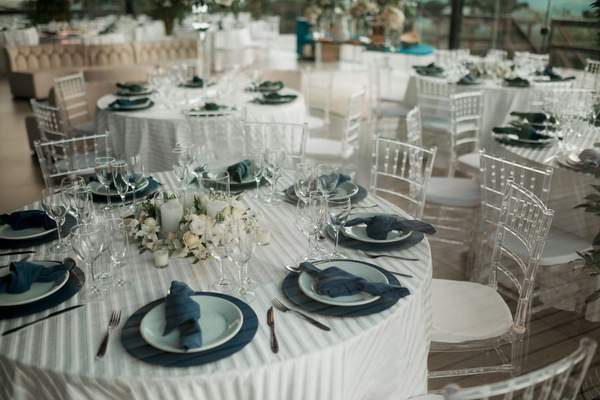
A rehearsal dinner can look simple on the wedding timeline, but it can become a meaningful expense once the guest list, food, drinks, venue fees, and service charges are added together. The best way to control a wedding rehearsal dinner budget is to treat the event as its own mini reception rather than assuming it will somehow fit inside the main wedding-day budget.
That does not mean the dinner has to be formal or expensive. It means the couple or host should decide what kind of evening they want, who truly needs to be invited, and which costs are fixed before choosing the restaurant, caterer, or menu. A clear plan keeps pre wedding dinner costs from turning into a last-minute surprise.
Start With Guest Count Before Choosing the Venue
Guest count is usually the strongest driver of rehearsal dinner cost because it affects food, drinks, seating, staffing, rentals, and sometimes the size of the room required. Start with the people directly involved in the rehearsal, then decide whether partners, immediate family, out-of-town guests, or other relatives will also be included.
A dinner for 18 people and a dinner for 45 people are different financially, even at the same restaurant. Set the maximum amount available first, then divide it by the expected guest count. That gives you a useful per-person ceiling for the entire event, not just the meal.
Build the Budget From Real Line Items
A useful rehearsal dinner budget should include more than the advertised menu price. Proposals often show food first, while the final bill can also include beverages, room fees, rentals, taxes, gratuities, or service charges. Estimate each category before signing a contract or paying a deposit.
Venue and Room Costs
Restaurants may offer private or semi-private rooms with a rental fee, food-and-beverage minimum, or minimum guest spend. Event spaces may charge separately for the room and require outside catering. Ask what is included, how long the space is reserved, and whether setup or cleanup creates extra charges.
Food and Menu Structure
Menu format can change rehearsal meal expenses quickly. A plated dinner may carry a set per-person price, while family-style service, a buffet, barbecue, pizza, or a casual restaurant package may use a different cost structure. Do not assume one style is automatically cheaper; compare the full proposal.
Look beyond the entrée price. Appetizers, salads, desserts, coffee, dietary substitutions, children’s meals, and late additions can all affect the final total.
Drinks
Alcohol is easy to underestimate. Options may include a full open bar, beer and wine only, drink tickets, a limited hosted period, or a cash bar where permitted. Ask whether drinks are charged per person, by consumption, or through a package, and whether bartending fees apply. Non-alcoholic beverages should be included too.
Remember Rentals, Décor, and Invitations
A restaurant private room may already include tables, chairs, place settings, glassware, and basic linens. A separate venue may require rentals for some or all of those items, plus delivery or pickup fees.
Décor does not need to compete with the wedding reception. A few low arrangements, candles where allowed, printed place cards, or personal photographs can make the room feel intentional without creating another large floral bill. Digital invitations or simple printed cards can also keep this category modest.
Account for Taxes, Service Charges, and Gratuities
This is where many careful budgets go off track. Taxes vary by location, and venues may add service charges or administrative fees under their contracts. A service charge is not always the same as a gratuity paid to staff, so ask exactly what each fee covers and whether an additional tip is expected or optional.
Before paying a deposit, request an estimated final total based on your expected guest count. Also review the cancellation policy, payment schedule, final headcount deadline, and minimum-spend rules. A lower menu price can be offset by mandatory fees.
A Practical Rehearsal Dinner Budget Example
Imagine a couple planning dinner for 24 people with a total budget of $2,400. Their average ceiling is $100 per guest, but that figure must cover more than food. If a venue uses most of the $2,400 on meals alone, there may be too little left for drinks, taxes, service charges, or décor.
A better approach is to reserve part of the total for unavoidable add-ons before choosing the menu. If the private-room package pushes the complete estimate over budget, the hosts could switch to a regular restaurant reservation, shorten the hosted bar period, reduce the guest list, or choose a family-style menu.
The lesson is the order of decisions: set the total first, estimate the complete bill, then choose the format. That protects the rehearsal dinner budget far better than selecting a venue first and trying to force the numbers to work afterward.
Lower Costs Without Making the Dinner Feel Cheap
Cost control works best when it changes the format rather than the hospitality. A relaxed evening can still feel generous when guests are comfortable and fed.
Consider a favorite neighborhood restaurant instead of a dedicated event venue, keep the guest list focused on rehearsal participants and close family, choose a fixed menu with a few options, serve beer and wine instead of a full bar, or ask whether lunch or an earlier dinner has different pricing.
You can also skip favors, use digital invitations, keep décor simple, and avoid duplicating reception details. When reviewing the wider wedding budget, keep the rehearsal dinner as a separate category so the same expense is not counted twice.
FAQ
Who usually pays for the rehearsal dinner?
Traditions vary, and there is no requirement that one side of the family must pay. A family may host the full event, the couple may pay, or several people may share the cost. Decide contributions clearly before contracts or deposits are made.
How much should I budget per person?
There is no universal figure because pricing depends on location, venue, menu, drinks, taxes, and service fees. Start with the total you can comfortably spend, divide it by the guest count, and compare venue proposals against that all-in ceiling rather than food price alone.
Do all out-of-town wedding guests need to be invited?
No. Some hosts invite traveling guests, while others limit dinner to the wedding party, immediate family, and people involved in the rehearsal. A separate welcome gathering can include a larger group without turning dinner into another full reception.
What rehearsal dinner expense is easiest to overlook?
Mandatory add-ons are easy to miss. Check taxes, service charges, gratuity policies, room fees, beverage fees, rental costs, and minimum spending requirements before comparing venues.
Plan the Dinner as Its Own Event
A strong wedding rehearsal dinner budget starts with a clear guest list, a realistic total and a complete view of the bill. Food may be the largest line item, but drinks, rentals, taxes, service charges, gratuities, invitations, and décor can meaningfully change the final cost.
When those categories are planned before a venue is booked, the dinner becomes easier to control and more enjoyable to host. The goal is not to make the evening elaborate. It is to create a warm start to wedding weekend without letting rehearsal meal expenses compete with the celebration that follows.
