

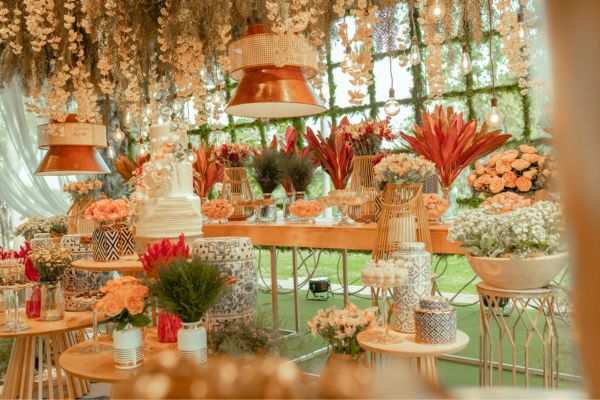
Flowers have a way of changing the entire feeling of a wedding. They soften a ceremony space, bring color to a dining table, frame the aisle, and add a little life to photographs that may be looked at for decades. Even a simple bouquet can carry a lot of meaning. It can feel romantic, seasonal, elegant, wild, delicate, or deeply personal depending on the flowers, colors, and shapes chosen.
That is why learning how to choose a wedding florist is such an important part of wedding planning. A good florist does more than arrange flowers. They help translate a mood into something visible. They understand what will hold up through a long day, what works in a particular season, how flowers behave in different temperatures, and how to make arrangements feel natural within a venue. The right florist brings both creativity and practicality, which is exactly what wedding flowers need.
Understand the Style You Want Before You Start
Before contacting florists, it helps to have a general sense of the style you are drawn to. This does not mean you need to know every flower by name. Most couples do not. What matters more is the feeling you want the flowers to create.
Some weddings look best with loose, garden-style arrangements that feel soft and romantic. Others suit clean, structured florals with white blooms and modern greenery. Some couples love bold color, while others prefer muted shades that almost blend into the surroundings. There are also rustic, tropical, classic, minimalist, vintage, and bohemian floral styles, each with its own mood.
Looking through real wedding galleries can help you notice patterns. You may find that you keep saving images with trailing greenery, small wildflowers, or tall centerpieces. These little clues are useful. They help you explain your taste clearly, even if you do not know the exact floral language.
Think About the Venue and Season
Wedding flowers should feel connected to the place where the wedding is happening. A grand ballroom may call for fuller arrangements, while a countryside venue may look better with relaxed, natural florals. A beach wedding usually needs flowers that can handle heat and wind, while a winter celebration may benefit from deeper tones, evergreens, branches, or textured foliage.
Season also matters. Some flowers are easier to find at certain times of year, and seasonal blooms often look fresher and feel more natural. Peonies, for example, are loved by many couples but are not available everywhere all year. Dahlias have their own season. Tulips, garden roses, ranunculus, hydrangeas, orchids, and anemones all have different strengths and limitations.
A thoughtful florist will guide you through this without making the process feel complicated. They may suggest similar flowers if your first choice is unavailable or expensive during your wedding month. This kind of advice is one of the reasons hiring the right florist can make the planning process smoother.
Review Their Portfolio Carefully
A florist’s portfolio tells you a great deal about their style, range, and attention to detail. When looking through their work, pay attention to more than whether the flowers are pretty. Notice how the arrangements fit the venue, how the colors work together, and whether the designs feel balanced.
Some florists are especially strong with romantic garden arrangements. Others may be better at modern installations, large floral arches, dramatic tablescapes, or simple elegant bouquets. If most of their work matches the feeling you want, that is a good sign. If their style feels far from your vision, they may still be talented, but they may not be the best match for your wedding.
It is also helpful to look for full weddings rather than only close-up bouquet photos. A full gallery shows how the florist handles the bigger picture, from ceremony flowers to reception tables and small finishing details.
Pay Attention to Communication
Flowers are visual, but the planning process depends heavily on communication. From the first inquiry, notice how the florist responds. Do they ask thoughtful questions? Do they seem interested in the wedding as a whole? Do they explain things clearly? Are they honest about what is realistic?
A florist does not need to reply instantly to every message, especially during busy wedding seasons. Still, their communication should feel professional, organized, and respectful. Wedding florals involve many details, including colors, quantities, delivery times, setup, breakdown, rentals, and sometimes coordination with planners or venues. Clear communication helps avoid confusion later.
The best conversations often feel collaborative. A good florist will listen to your ideas but also offer guidance where needed. They may gently explain why a certain flower will not last well outdoors or why a centerpiece height could block conversation at dinner. That kind of honesty is valuable.
Be Clear About Your Budget
Budget is one of the most practical parts of learning how to choose a wedding florist. Flowers can vary widely in price depending on the types of blooms, the size of the wedding, the complexity of the designs, and the amount of labor involved. Large installations, hanging florals, arches, and lush tablescapes usually require more flowers, more time, and more setup work.
It is better to be open about your budget early. This allows the florist to suggest options that make sense instead of designing something that later needs to be heavily reduced. A skilled florist can often help prioritize. For example, if ceremony photos matter most, more of the budget may go toward the bouquet and altar flowers. If dinner is the main visual moment, centerpieces and table styling may take priority.
Being clear about budget does not limit creativity. In many cases, it helps the florist become more creative within realistic boundaries.
Ask What Is Included in the Proposal
A floral proposal should be more than a vague price. It should explain what is included, such as bridal bouquet, bridesmaid bouquets, boutonnieres, corsages, ceremony arrangements, aisle flowers, centerpieces, candles, vases, delivery, setup, and breakdown if needed.
Some florists include rentals like vessels, stands, arches, or candle holders. Others charge separately for these items. Labor costs may also appear as a separate line because wedding flowers require design time, transportation, installation, and sometimes late-night cleanup.
Understanding the proposal helps you compare florists fairly. One quote may look higher at first but include setup, rentals, and breakdown. Another may seem lower but leave out important details. The goal is not only to find a price that works, but to understand exactly what the price covers.
Consider Their Experience With Weddings
Wedding floristry is different from everyday flower arranging. A wedding florist has to think about timing, durability, photography, venue rules, transport, weather, and the movement of the day. Bouquets need to look beautiful in photos but also be comfortable to hold. Ceremony flowers may need to be moved to the reception. Centerpieces must suit table size, guest comfort, and lighting.
Experience matters because weddings rarely leave room for last-minute uncertainty. A florist who has worked on many weddings will know how to prepare for small challenges. They may bring extra supplies, plan for heat-sensitive flowers, label personal flowers carefully, or coordinate setup around the venue schedule.
This does not mean a newer florist cannot do beautiful work. It simply means you should understand their level of experience and whether it matches the complexity of your wedding.
Look for Flexibility Without Losing Direction
Wedding planning often changes along the way. Guest counts shift, table numbers change, color palettes evolve, and couples may rethink certain details after seeing the full budget. A good florist can adjust without making the process stressful.
At the same time, flexibility should not mean a lack of direction. The florist should still keep the overall design consistent. If too many unrelated ideas are added, the flowers can start to feel messy or disconnected. The right florist helps refine the vision, keeping what matters and gently removing what does not fit.
This balance is important. Wedding flowers should feel personal, but they should also feel cohesive.
Read Reviews With a Practical Eye
Reviews can be helpful, especially when they mention more than the final look of the flowers. Pay attention to comments about reliability, punctuality, communication, setup, problem-solving, and how the flowers looked throughout the event.
A review that says the florist handled a rainy ceremony, worked well with the planner, or made last-minute adjustments calmly can tell you a lot. Weddings are emotional days, and vendors who stay steady under pressure are worth noticing.
Photos show beauty, but reviews often reveal the experience of working with someone. Both matter.
Trust the Florist’s Knowledge
Many couples arrive with inspiration photos, which can be very useful. But it is also important to leave room for the florist’s expertise. Inspiration images are often taken in different climates, budgets, venues, and seasons. Recreating them exactly may not be practical.
A strong florist will understand the mood behind the image and suggest a version that works for your wedding. They may use different flowers to create a similar texture or adjust colors so they fit better with the venue. This is not a compromise in a negative sense. It is part of turning inspiration into something real.
Trust grows when a florist explains the reason behind their suggestions. If their guidance makes sense and their work aligns with your taste, it is usually a good sign.
Make Sure the Personality Fit Feels Right
Wedding planning involves many conversations, decisions, and small moments of trust. The florist does not need to become your closest friend, but the personality fit should feel comfortable. You should feel able to ask questions, share preferences, and be honest about concerns.
Some couples like a florist who gives strong creative direction. Others prefer someone who follows a very specific brief. Neither is wrong. The important thing is choosing someone whose working style fits your own.
When the relationship feels easy and respectful, the floral planning process becomes much more enjoyable.
Conclusion
Choosing a wedding florist is not only about finding someone who can make beautiful arrangements. It is about finding a creative partner who understands the atmosphere you want, respects your budget, communicates clearly, and knows how flowers behave in the real world of a wedding day.
The best floral designs feel effortless, but behind them is careful planning, practical knowledge, and a thoughtful eye for detail. When you understand how to choose a wedding florist, you are better prepared to find someone who can turn scattered ideas into a setting that feels natural, memorable, and true to the celebration. In the end, wedding flowers are not just decorations. They help shape the mood of the day, and when chosen well, they become part of the memory itself.
